
Helping business owners gain financial clarity, improve cash flow, and increase profitability.
Google star 5.0 Top Rated Service 2026 verified by Trustindex
Certified QuickBooks ProAdvisor Level 1 & 2
484 Month of Cleaned-up Books - Since August 2024
$1.12M Miscategorized Transactions Uncovered

What's Covered on This Page
- Why Landscaping Businesses Need More Than a General Bookkeeper
- How Seasonal Cash Flow Creates a Year-Round Bookkeeping Problem
- What Bookkeeping for Landscaping Business Includes
- Sales Tax and Payroll Regulations in NJ Landscapers Should Understand
- Signs It's Time to Stop Your Landscaping Bookkeeping Yourself
- Do I really need a bookkeeper who knows landscaping, or will any bookkeeper work?
- How does seasonal cash flow in Teaneck affect my bookkeeping needs?
- What does job costing actually mean for my landscaping business?
- My crews work multiple jobs in one day. Can a bookkeeper really track that?
- How do commercial clients with Net 30 terms make bookkeeping harder?
- When should a Teaneck landscaper start working with a bookkeeper?
Need bookkeeping for landscapers?
Book A Free Consultation. Call Capgro Bookkeeping Services LLC now.
Why Landscaping Businesses Need More Than a General Bookkeeper
A general bookkeeper is fine for tracking your income and expenses. Done. But landscaping is not a business. It's seasonal work with a dozen little parts that the average bookkeeper never considers.

We're talking about this. A mowing crew doing weekly runs in Glenpointe. A crew doing a big hardscape installation elsewhere. Another doing a fall cleanup for a property manager. All those separate jobs have separate labor costs, different materials and separate profit margins. When a general bookkeeper dumps all that money into one bucket, you don't know what actually makes you money.
How Landscaping Accounting is Different
Landscaping businesses run into things that a lot of other industries don't. Every week clients who visit us in Teaneck are annoyed by this. Their books are "good" but they can't get answers to questions about their own business. A general bookkeeper will miss a lot of things:
- Job costing by service line, like maintenance versus big installation
- Seasonal cash flow that swings wildly between the December and March months
- The accounting for all your mowers, trailers and trucks, so they can depreciate correctly
- Crews who spend a day on a variety of different jobs
That last one. It seems like a small thing to some, but your people can work a variety of jobs on any given Tuesday. If you don't have someone counting that time by job, you don't have accurate profit numbers. Done.
Here's something most landscapers don't figure out until tax day. Bad job costing doesn't just hide your profits. It hides your losses. You can be running some services at a loss for months and not even realize it. We have had clients find out their snow removal business was costing them money once we got the correct job cost setup into QuickBooks.
We have 20+ years of accounting experience, we specialize in home services businesses. That's why we built our firm on this. The landscaper calling us doesn't have a struggling business. What they have is a bookkeeping problem that doesn't tell them what's really going on.
How Seasonal Cash Flow Creates a Year-Round Bookkeeping Problem
Let's say a Teaneck landscaper is killing it from April through November. The money is rolling in. The crews are all working. It's all good. Then December rolls around and the calls stop. Now there's not enough money to pay the renewal on your insurance or your next equipment payment due in January.
That's not a business problem. That's a bookkeeping problem.
Landscaping runs on seasons. But your books should not. Your revenue surges in the spring and summer, but expenses are year-round. The truck payments and loans come out twelve months of the year. Subscription costs for business management software, plus worker's compensation premiums, will be deducted monthly from your checking account. Without consistent bookkeeping tracking expenses throughout the year, you'll spend down the profits you earned in summer and fall by the time winter sets in.
What Makes Cash Flow So Hard for Landscapers to Handle
Most service-based businesses earn fairly consistent income each month. You, however, don't have that same advantage. There are a few specific things that make your cash flow harder to manage as a landscaper than it might be for other service businesses:
- Lump-sum purchases for things like mulch, sod, and hardscaping supplies to put in front of when you don't have any money collected in from clients yet
- Your crew's payroll going from massive in the peak season to much smaller during the off months
- Net 30 payment terms from your clients (especially those commercial property management firms), and their late payments
- Unexpected equipment repairs, which often happen when you need to have all your equipment operational
We work with landscapers near Glenpointe and all over Teaneck who can bring in over six figures from May through October. But by February, they're scrambling. The problem wasn't that they didn't make enough money in that season, it's that they didn't keep track of where the money went.
According to SCORE, roughly 82% of small businesses that fail cite cash flow problems as a major factor. And seasonal businesses face this risk at double the rate.
The solution? A monthly bookkeeping solution that accounts for your slow months. We create cash flow projections in QuickBooks Online that will let you determine exactly how much you should be saving each week during your peak season. You don't have to guess, and you won't be panicking in January. Your numbers will be second nature and you won't dread your off season, and actually enjoy it.
Ready to break the cycle? Give us a call and we'll take a look at your numbers together.
What Bookkeeping for Landscaping Business Includes
Most landscapers imagine bookkeeping as just tracking income and expenses. There's far more to your financial records than that.
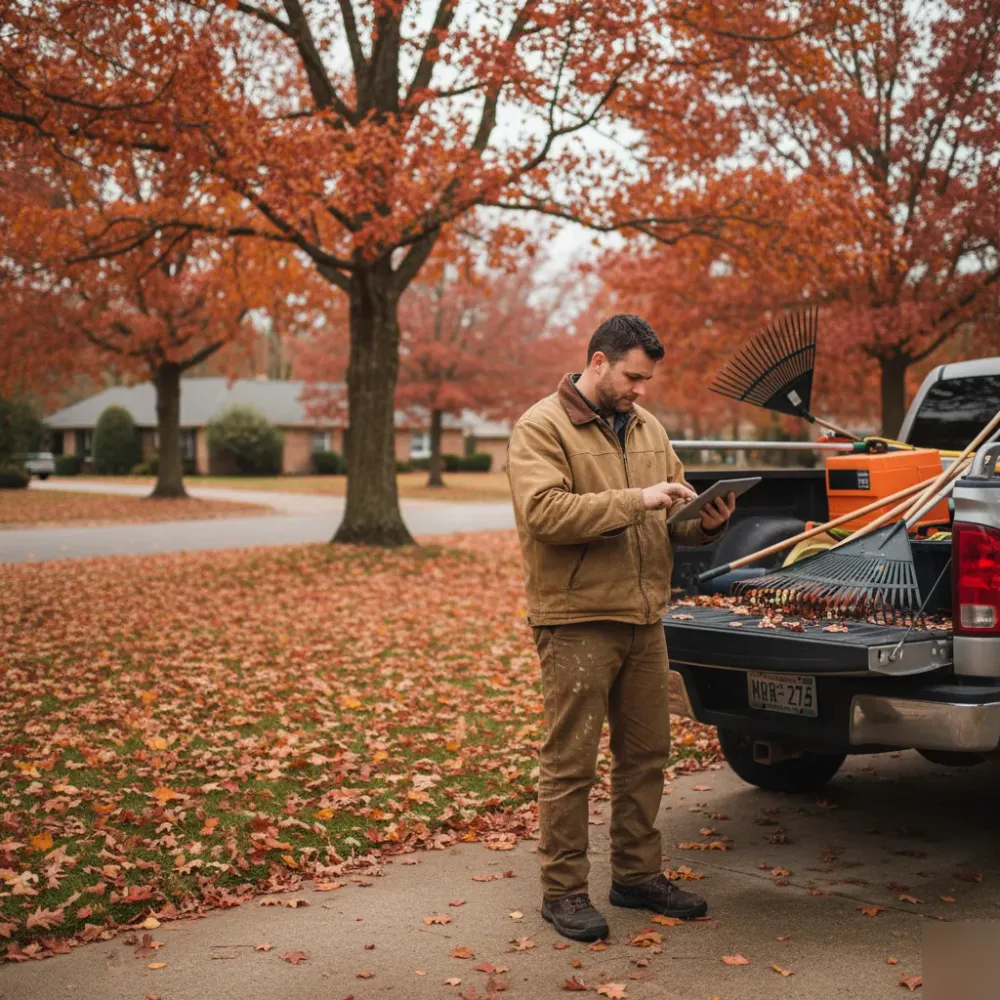
There are layers to your business that will need to be tracked properly, that other bookkeepers might not be aware of. You're running jobs and completing work in multiple neighborhoods, within Teaneck, on any given day. You're buying material for one job and billing another. You're paying for fuel every single day. Your QuickBooks Online data just sits there, until a bookkeeping comes in and helps you sort through and track all of that.
Here's what your bookkeeping solution should include:
- Keeping track of every single expense, from a big mulch order to your bi-weekly lawn mowing check
- Tracking expenses by job so you can determine the profitability of each job you take
- Reconciling your business bank and credit card accounts monthly
- Tracking your accounts receivable so you always know who you're waiting on to pay you
- Recording payroll to each of your employees has been paid on time
It's something we see constantly. You can ask a landscape guy in the Glenpointe vicinity if they are okay and they will tell you, "Yes, they're fine." It's just unrecorded costs, that's all. Deposits that haven't been posted are hanging around, waiting to be processed.
Job Costing Alters the Dynamic
It's the part most generic accountants leave out. Job costing is where we attach each cost for labor, supplies, and equipment time to a specific project. That $4,000 paver patio install in Teaneck? You need to know if it actually earned you money after paying your crew, buying stone, and running your truck out there three times. Without job costing, you're flying blind. With it, you're making informed decisions about what services to highlight and what ones to cut.
Yet we also go the extra mile by making your books tax-ready for 1099 submissions, managing your sales tax reports, and verifying that your QuickBooks Online installation reflects how you actually do business, not how some hypothetical standard might say you should.
Proper bookkeeping for landscapers is so much more than that. It is a system of record that reports on the true state of your company on a monthly basis.
Need help with bookkeeping for landscapers?
Book A Free Consultation. Capgro Bookkeeping Services LLC is ready to help.
Sales Tax and Payroll Regulations in NJ Landscapers Should Understand
We get into a situation where things get confusing in Teaneck, with landscape service providers. New Jersey has a couple of requirements in sales tax and payroll that catch even experienced landowners off guard. It is one of the most frequent complaints with new clients.
What a lot of people in this industry aren't aware of is that some landscaping services you provide are taxed while others are not. In the state of New Jersey, services involving the care of the lawn, cutting the grass, applying fertilizer, are almost universally taxed by the state. Landscaping work involves altering the physical nature of the land, like grading the ground or putting in a new tree, may be subject to different tax treatment. You bill out both those types of services on one invoice and do not list separately, either too much tax is taken off or too little.
Frequently Made Sales Tax Errors
- Imposing sales tax on exempt installation of landscaping projects
- Leaving out sales tax on taxable lawn services
- Failing to file for a sales tax certificate prior to collecting on any sales at all
- Mixing taxable and exempt services on the same invoice line
The same is true when it comes to payroll. A landscaping contractor in the vicinity of Glenpointe will have a lot of temporary workers and pay them 1099 as subcontractors when they're employees on the W-2. New Jersey has been aggressive in this area, too. The state looks at who directs a worker's time, what tools does he have, and how he goes about his work. A crew comes to your shop at the beginning of each day and is equipped with your equipment, they're your employees. Period.
You're not just looking at a bookkeeping hassle when you get it wrong, you're looking at back payments, fines and accrued interest from the IRS as well as from the state of New Jersey Division of Taxation. So you know how to file sales tax and record payroll. We'll set you up in QuickBooks Online so taxable and non-taxable revenue gets captured on different lines. That way, each invoice starts clean and your quarterly filings stay accurate. Not sure whether your crew is properly classified? Give us a call. That's a small fix now, but a costly one later if you leave it alone.
Signs It's Time to Stop Your Landscaping Bookkeeping Yourself
You launched your landscaping business to be working outdoors, not staring at spreadsheets at 11 p.m. Yet here you are: receipts crammed into your truck's center console, a shoebox full of gas station slips stacked on the kitchen counter, and QuickBooks pulled up on your phone over dinner. Landscapers all the way from Teaneck to the area to us each week when they're exactly there. They're running out of energy, they're playing catch-up, and they know something is getting lost. So when do you decide it's time to pass the bookkeeping buck? Keep an eye out for these red flags:
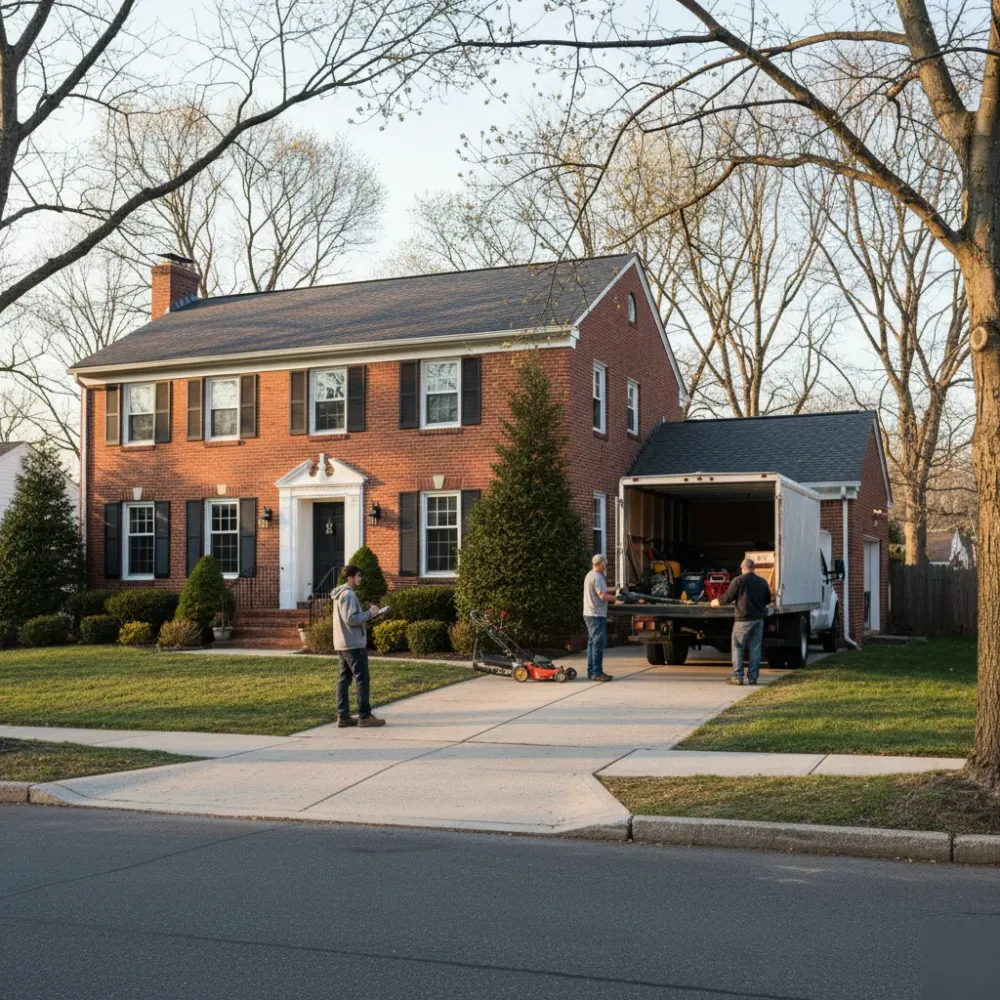
- You can't name the actual profit for each job after labor, material, and fuel
- Your bank account is doing great, but you're stressed before every quarterly tax payment
- Crew payroll takes you hours to complete because you're tracking their time on paper or in your head
- You've missed filing deadlines, or you're paying fees to the IRS for paying late
- Mixing personal and business expenses has become your go-to
Each of those things alone is a pain. Two or three? That's a pattern. This is what I hear from landscape companies near the Glenpointe area again and again: "I thought I was saving money by doing this myself." Then we open up their books for a bookkeeping cleanup and there's literally thousands of dollars in uncategorized expenses, missed deductions, jobs that actually lost money. The real price of doing without landscaping bookkeeping is almost always higher than the price of paying someone for help.
It gets even worse with the yearly ebb and flow. You're up to your neck with work from April to November, right when bookkeeping starts to suffer. And come December you're scrambling to fix things instead of planning for next year. Again and again. Not sure if you're there yet? That's pretty typical. A lot of landscapers hang around too long. If bookkeeping feels like a heavy weight you're lugging instead of a tool to propel you forward, it's time. Bookkeeping isn't an area of expertise where we've spent the last 20+ years in accounting, we see how much smoother a change gets when you make it sooner.
Frequently Asked Questions
Common questions about bookkeeping for landscapers services in Teaneck
Do I really need a bookkeeper who knows landscaping, or will any bookkeeper work?
You need someone who understands landscaping specifically. A general bookkeeper will track your income and expenses. But they won't separate your maintenance jobs from your installation jobs. They won't flag that your snow removal is losing money. They won't plan for your slow months in Teaneck. Without job costing by service line, you could run certain services at a loss for months and never know it until tax time.
How does seasonal cash flow in Teaneck affect my bookkeeping needs?
Teaneck landscapers face a real squeeze between November and March. Revenue drops, but truck payments, insurance, and software subscriptions keep coming out every month. Good bookkeeping builds cash flow projections so you know exactly how much to set aside during your busy season. That way, a slow February doesn't turn into a scramble. According to SCORE, about 82% of small businesses that fail point to cash flow problems as a major factor.
What does job costing actually mean for my landscaping business?
Job costing means tracking labor, materials, and time for each individual job you complete. So your mowing routes, your hardscape installations, and your fall cleanups each show their own profit number. Without it, all your money goes into one bucket. You can't tell which services make you money and which ones don't. Once job costing is set up correctly in QuickBooks, you'll finally see your real numbers instead of just a general total.
My crews work multiple jobs in one day. Can a bookkeeper really track that?
Yes, and this is one of the most common problems we see with landscaping books. When a crew splits a Tuesday between three different jobs in Teaneck — say, a mowing stop near Glenpointe, a mulch delivery, and a cleanup — that labor needs to be split by job. If it isn't, your profit numbers for each job are wrong. A bookkeeper who knows landscaping will set up a system to capture that time accurately every week.
How do commercial clients with Net 30 terms make bookkeeping harder?
Commercial property managers in Teaneck often pay on Net 30 terms, sometimes later. That means you finish the work in October but don't see the money until November or December. Meanwhile, payroll and supply costs hit immediately. Your bookkeeper should track accounts receivable closely so you always know who owes you and how long they've been past due. That visibility helps you make smarter decisions about which commercial accounts are actually worth keeping.
When should a Teaneck landscaper start working with a bookkeeper?
The best time is before your busy season starts, not after it ends. Spring is when money moves fast — material purchases, payroll spikes, new client invoices. If your books aren't organized going into April, you'll spend the whole summer guessing. Starting in late winter gives your bookkeeper time to set up job costing, connect your accounts, and build a cash flow plan before the rush hits. Don't wait until tax season to find out your numbers were off all year.
Ready to Get Started?
Book A Free Consultation. Call 973-453-5052 today.